Planning a destination wedding is an incredible adventure. Whether you’re exchanging vows on a sun-drenched cliffside in Amalfi, inside a tropical garden in Maui, or against a sweeping mountain ridge in Banff, one element shapes your photos more than any other: light.
As an Idaho-based wedding photographer, I’m no stranger to dramatic landscapes and rapidly changing conditions. From the crisp alpine sun in the Sawtooths to the soft, diffused light of coastal beaches, managing light is at the heart of what I do. When you take your wedding on the road, lighting conditions change dramatically depending on latitude, terrain, and local climate.
Here is your complete guide to crafting a destination wedding timeline that works seamlessly with natural light—no matter where in the world you say "I do."

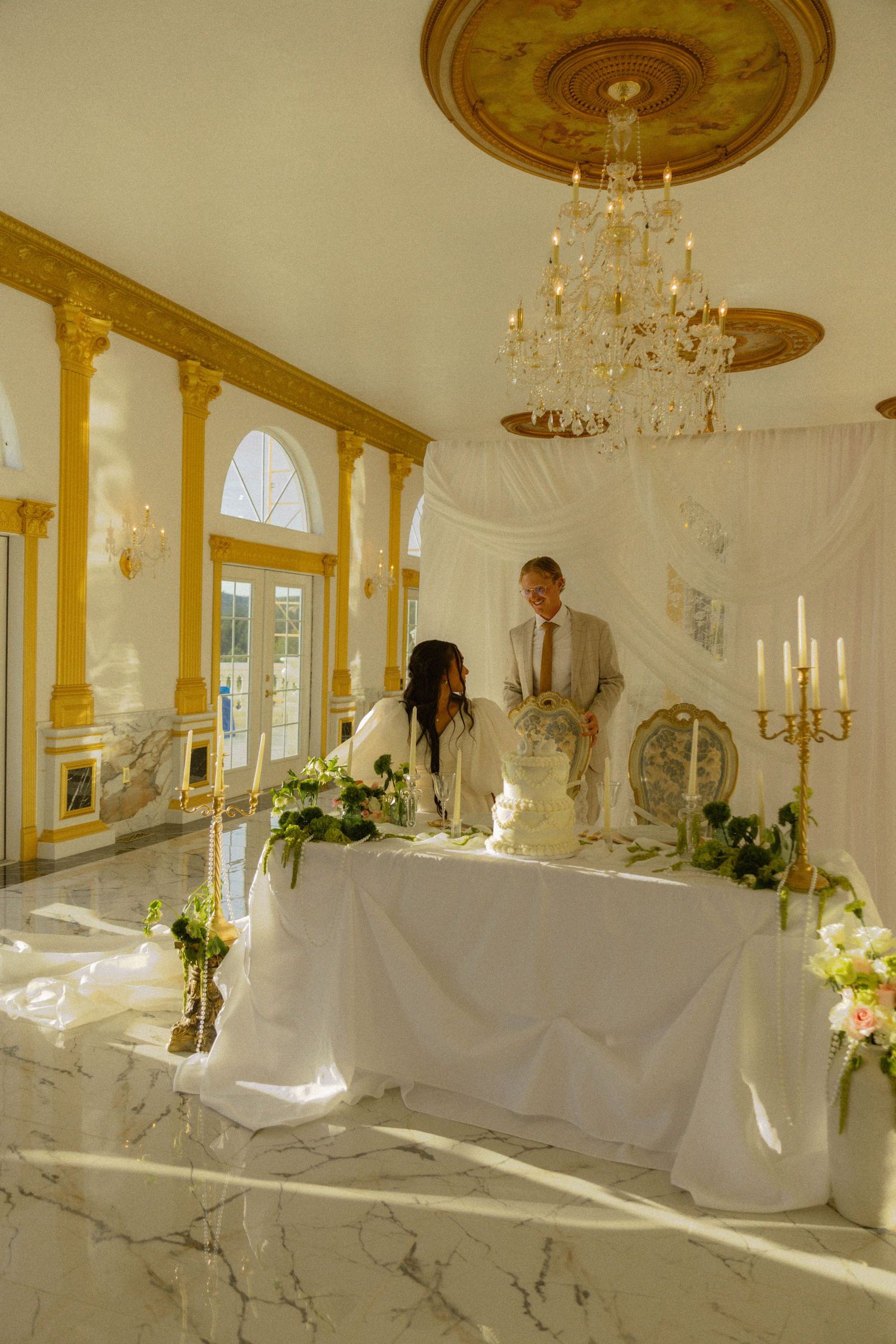
1. Understand the Local "Golden Hour"
In photography, Golden Hour—the hour right after sunrise and the hour before sunset—is the holy grail. It provides soft, warm, flattering light that gives photos a soft, romantic glow.
However, golden hour isn’t the same everywhere:
- Near the Equator (e.g., Costa Rica, Hawaii, Mexico): Sunsets happen quickly. Golden hour is fast and direct—often lasting only 20 to 30 minutes before complete darkness sets in.
- Higher Latitudes (e.g., Iceland, Northern Europe, Canada): Sunsets drag on for hours, giving you an extended window of gentle, golden light.
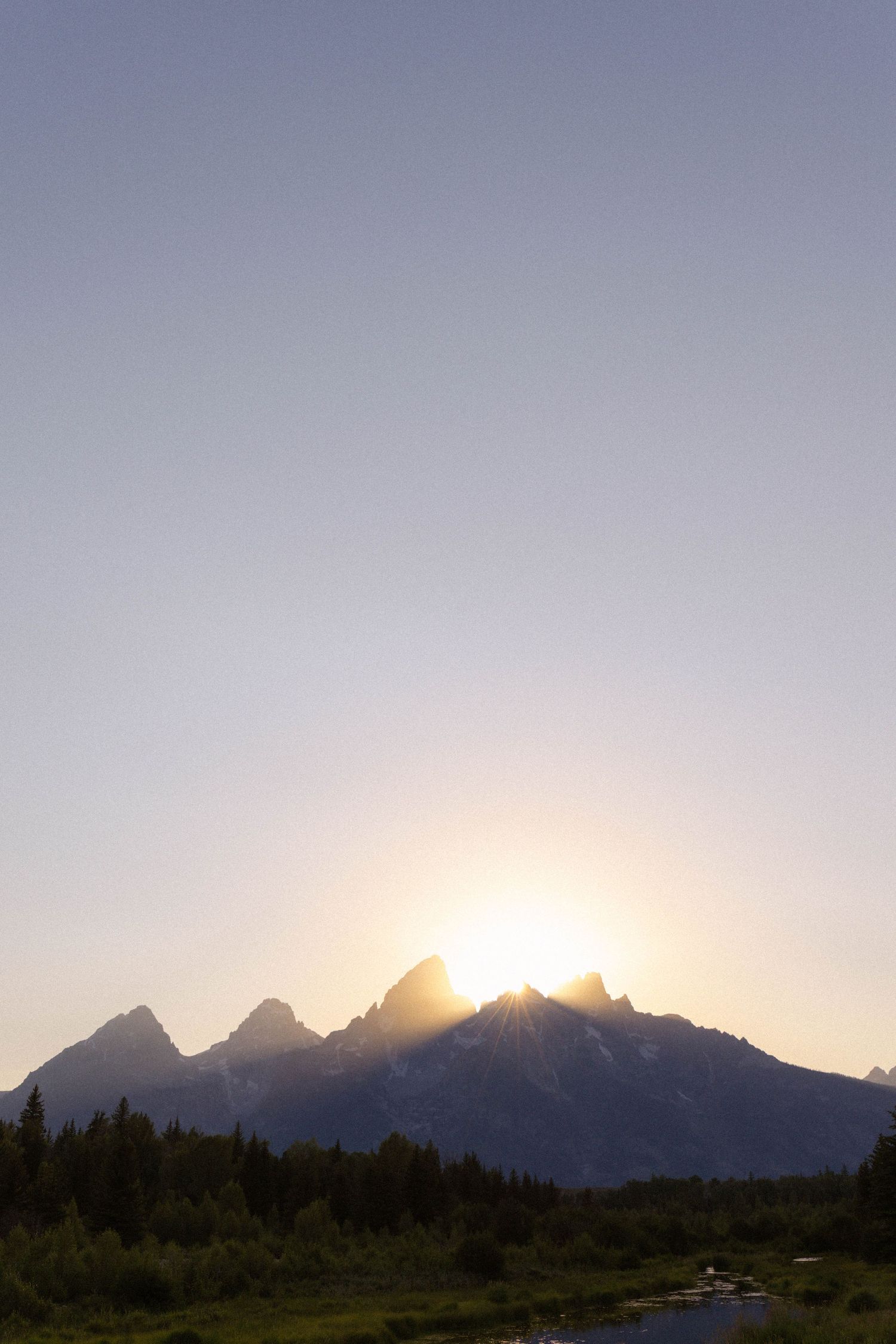
- Mountainous Regions (e.g., the Italian Dolomites, Colorado, Idaho): The sun dips behind peaks long before the official calendar sunset. You can lose direct light 45–90 minutes earlier than expected!
Photographer Tip: Always look up the exact sunset time for your specific location and coordinates—not just the general zip code—and check the surrounding topography.
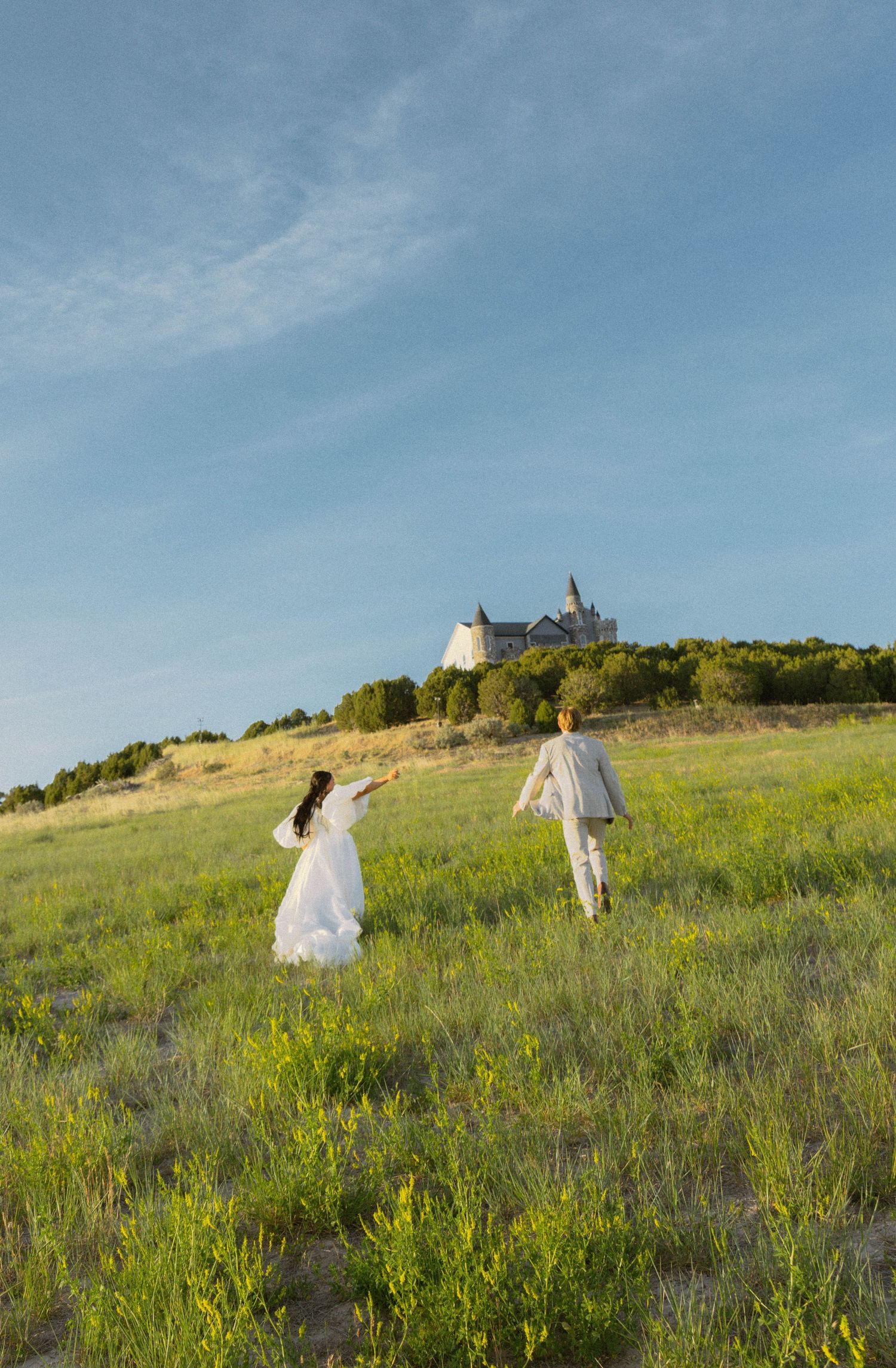
2. Sample Destination Wedding Timeline
Here is a flexible 8-hour framework designed around a 6:00 PM sunset, which is common in many coastal and tropical destinations.
1:30 PM – 3:00 PM | Getting Ready & Details
Light Strategy: Indoor ambient light or bright, indirect window light. Perfect for flat-lay detail shots, dress reveals, and quiet moments.
3:00 PM – 3:45 PM | First Look & Couple Portraits (Part 1)
Light Strategy: Find open shade (under canopy trees, architectural archways, or covered patios) to keep light soft and prevent harsh shadows under the eyes.
3:45 PM – 4:30 PM | Wedding Party & Immediate Family Photos
Light Strategy: Positioning group photos in shaded or backlit areas ensures no one is squinting into direct afternoon sun.
4:30 PM – 5:00 PM | Freshen Up & Guest Arrival
Light Strategy: Guests arrive and get settled as the sun starts its descent.
5:00 PM – 5:30 PM | Ceremony
Light Strategy: Scheduled 1 hour before sunset. The sun is low enough to avoid harsh overhead shadows, casting a warm ambient light over your ceremony space.
5:30 PM – 6:15 PM | Golden Hour Sunset Portraits & Cocktail Hour
Light Strategy: The prime photo window. Sneak away with your photographer for 20–30 minutes of effortless, glowing couple portraits while your guests enjoy cocktails.
6:30 PM – 9:30 PM+ | Reception, Dinner & Party
Light Strategy: Flash and ambient party lighting take over as night falls.
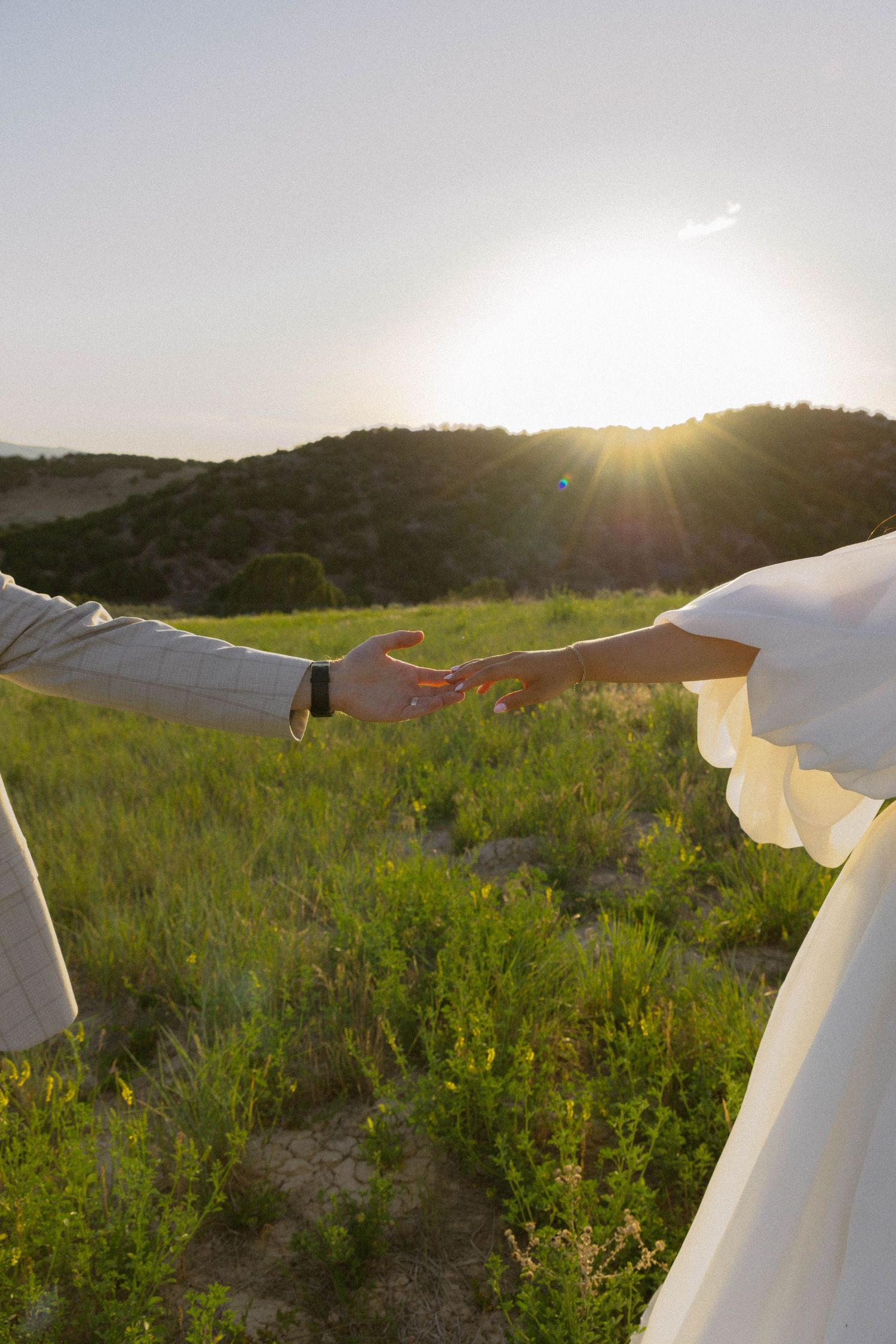

3. How to Handle Tricky Destination Lighting Scenarios
Midday Harsh Sun
If your ceremony or event must take place around midday, don't worry. Seek out architectural shade, open pavilions, or dense tree cover. A skilled photographer can also use fill flash or strategic backlighting to balance strong sunlight.
High Altitude & Desert Glare
At higher elevations or in desert environments (like Sedona or Cabo), light can be intense and reflective. Scheduling outdoor portraits later in the evening or early in the morning can create softer, more ethereal tones.
Sudden Tropical Downpours or Fog
Destinations like Ireland, Scotland, or Hawaii are famous for fast-moving weather. Build buffer time into your timeline so you aren't forced to shoot portraits during a sudden 15-minute downpour. (Bonus: Stormy skies often yield dramatic, unforgettable portraits!)
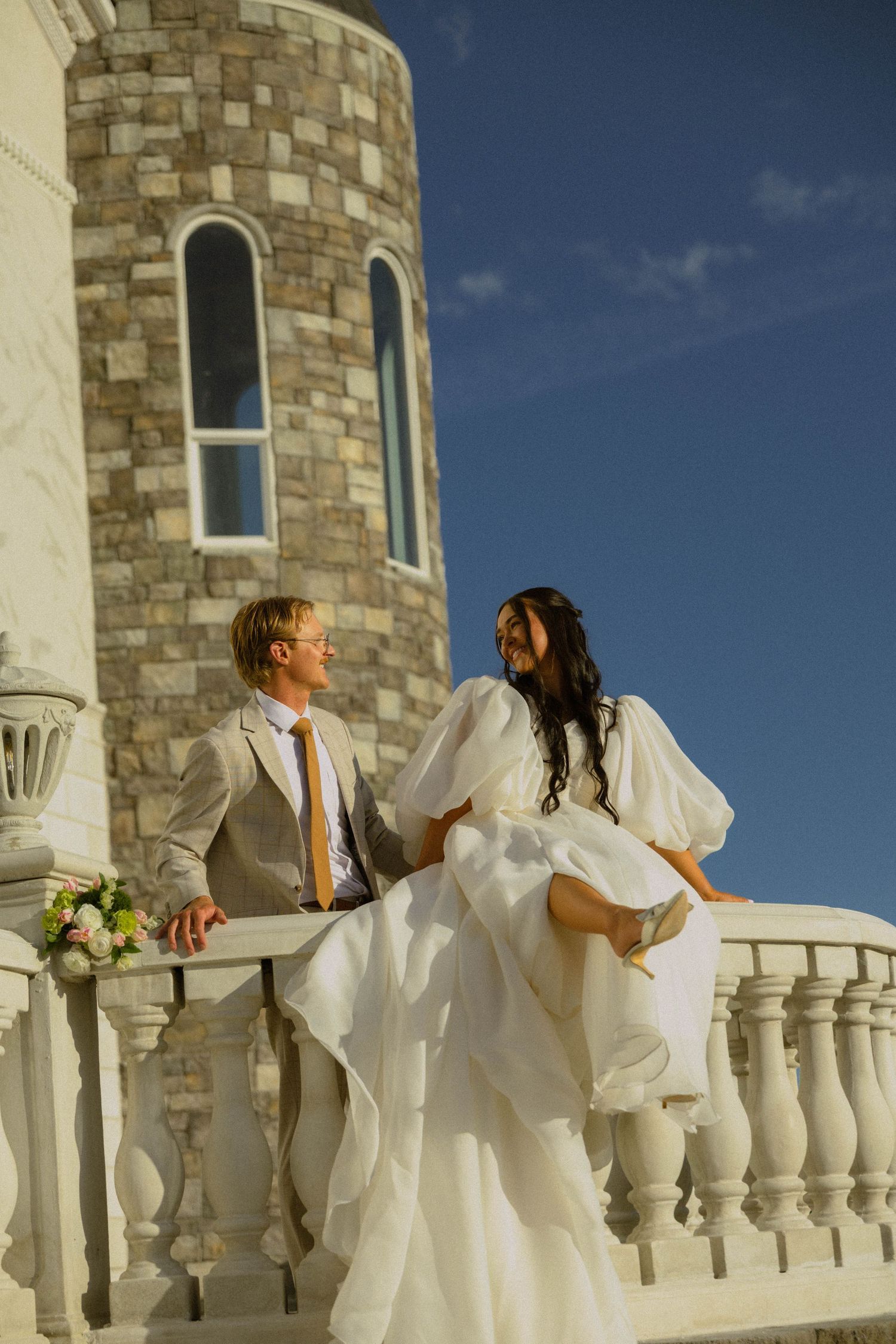
4. Why Bringing a Home-Base Photographer Matters
When you bring a photographer along on your destination journey, they scout the location with fresh eyes and a clear vision. Instead of relying on routine venue spots, they actively hunt for unique light, hidden angles, and scenic backdrops tailored specifically to your vibe.
Before your wedding day, we scout the site at the exact times of day scheduled in your timeline, ensuring every transition is smooth and stress-free.
Ready to Plan Your Adventure?
Whether you're dreaming of a tropical beach, an alpine meadow, or an historic European city, getting the light right is the single best investment you can make in your wedding photos.
Have questions about setting up your destination timeline or bringing an Idaho photographer along for your big day? Let's connect and start planning!